What “worth it” really means for Amazon Prime
You’re not really buying “free shipping” with Prime. You’re buying a bundle: faster delivery, easier returns, streaming, and a set of perks that only matter if you actually use them. “Worth it” means the membership fee is smaller than the value you would otherwise pay for (shipping fees, another streaming service, last-minute store runs), or it reliably saves enough time and hassle that you’d choose it even if the dollars were close.
The catch is that Prime pushes you toward more frequent, smaller orders, which can quietly raise spending. A fair test is whether it replaces costs you already have, not whether it makes buying easier.
Start with the price: your break-even point in minutes
Amazon’s standard Prime price in the U.S. is $14.99/month or $139/year (before tax), and paying monthly costs more if you keep it all year. The fast break-even test is: (1) estimate what you’d pay without Prime for shipping upgrades or “small-order” shipping, (2) add any streaming value you’d otherwise pay for, and (3) see if that total clears $139. If you typically place orders under the free-shipping minimum and would otherwise pay, say, $5.99 shipping, you need about 24 such orders per year ($139 ÷ $5.99) for shipping alone to cover Prime.
If you usually hit the “$35+ eligible items” threshold for free shipping, Prime doesn’t save you that base shipping fee—so the math shifts to speed and convenience. A common pattern is needing something quickly (charger, birthday gift, pantry refill) and paying extra for faster delivery or making a store run. Put a dollar value on that “I need it tomorrow” behavior. One practical constraint: not every listing qualifies (especially some marketplace sellers), and shipping fees can still show up in checkout even when you expect them not to.
Reason 1: fast, “free” shipping changes how you buy

Think about what you do when shipping isn’t fast or isn’t “included”: you wait to bundle items, you comparison-shop more, or you buy locally. Prime flips those defaults. Once two-day (and sometimes same- or next-day) delivery feels normal, it becomes easier to treat Amazon as your “just in case” store—one charger today, one pantry item tomorrow, a gift the day after—because the extra shipping charge isn’t there to slow you down.
That convenience is real value if it replaces something you would otherwise pay for: shipping upgrades, multiple store runs, or last-minute purchases at higher local prices. It’s also where Prime can cost you money, because smaller, more frequent orders make impulse buys easier and reduce the friction that normally forces you to prioritize. A practical constraint is that speed varies by ZIP code and item, so your “Prime” experience may still include 3–7 day delivery on plenty of products—especially during peak shopping weeks.
Reason 2: Prime Video can replace a paid streaming plan
Prime Video matters most when it replaces a streaming bill you already pay. If your household keeps one “default” service year-round, compare that monthly price to Prime’s fee and ask a blunt question: would you keep paying for that other service if Prime Video were your baseline instead? If dropping one $10–$16/month subscription feels realistic, Prime’s entertainment value can cover a large share of the membership cost on its own, even before shipping.
The trade-off is that Prime Video isn’t a straight substitute for every viewer. The catalog changes, some movies and shows are rentals or purchases, and it’s easy to get nudged into add-on channels that create new monthly charges. There can also be a difference in the viewing experience (for example, ads unless you pay extra, fewer “must-watch” originals in your genres, or weaker kids profiles). A practical test: look at the last 30 days of viewing and decide whether Prime Video would have satisfied most of those nights without extra add-ons.
Reason 3: member deals and events reward timed purchases
You’ve probably seen it: the same item is “$42 today” and “$58 next week,” and the difference is mostly timing. Prime can pay off if you already plan larger, predictable purchases and you’re willing to wait for deal windows like Prime Day, Prime Big Deal Days, and seasonal promos. The value isn’t just the headline discount; it’s stacking member-only prices with targeted coupons, Subscribe & Save on staples, and occasional bonus rewards that effectively lower your net cost if you would buy those items anyway.
The constraint is self-control and price-checking. Deals are uneven across categories, some “discounts” are just short-term price swings, and it takes time to track a baseline price or use a price-history tool. If your household can keep a simple list (diapers, filters, coffee, gifts) and buy only when the price drops, Prime’s events act like a predictable “buying schedule” that can beat ad-hoc ordering.
Reason 4: the lesser-known perks that quietly add up
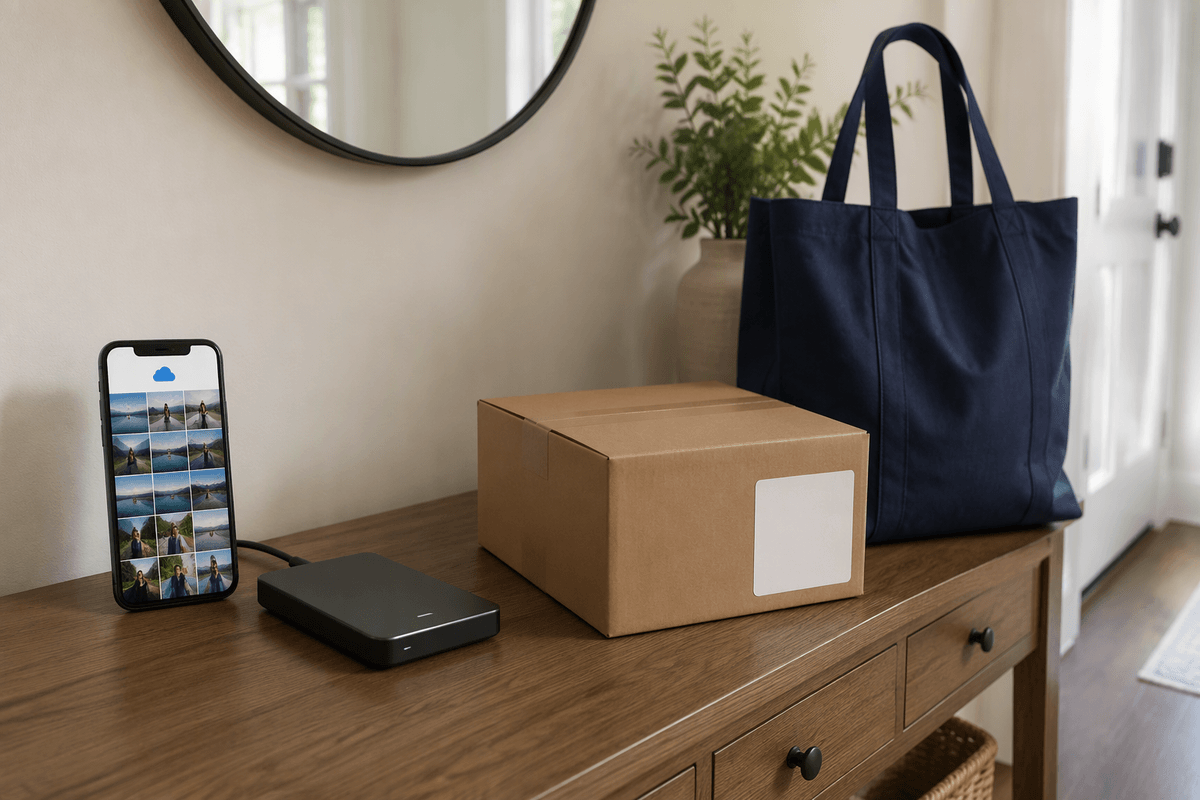
You may not use Prime for “perks” on purpose, but they can still move the math. If you buy even a few groceries, Amazon Fresh and Whole Foods member discounts can turn into real savings, especially on higher-margin items (coffee, snacks, prepared foods). Prime Gaming is another sleeper benefit: occasional free games and in-game bundles are only “worth” anything if your household would otherwise spend in those ecosystems, but many do without tracking it.
Then there are the convenience perks that don’t show up as a line-item savings: photo storage for people who already pay for cloud space, faster customer support/returns for households that order a lot, and occasional add-ons like Rx savings or bundled delivery trials that reduce friction. The limitation is that these benefits are uneven by ZIP code and lifestyle, and several require extra setup (linking accounts, learning where discounts apply). A useful test is whether you’ve paid for any equivalent service in the last year.
When Prime isn’t the best choice (and what to do instead)
If you mostly place a few larger orders that already clear the free-shipping minimum, Prime can be hard to justify unless you truly need delivery speed. It’s also a weak fit if you rarely watch Prime Video, prefer in-store pickup, or you notice the “it’s easy, just order it” effect raising your cart total. Another common mismatch: your address simply doesn’t get consistent 1–2 day coverage on the items you buy most.
Practical alternatives are straightforward: keep a running list and place fewer, larger orders; use Subscribe & Save only for staples that stay competitively priced; rotate streaming month-to-month instead of keeping everything year-round; and consider Walmart+ or Target Circle 360 if they match your household’s shopping mix better. If Prime is borderline, a one-month trial during a heavy shopping window can settle it quickly.